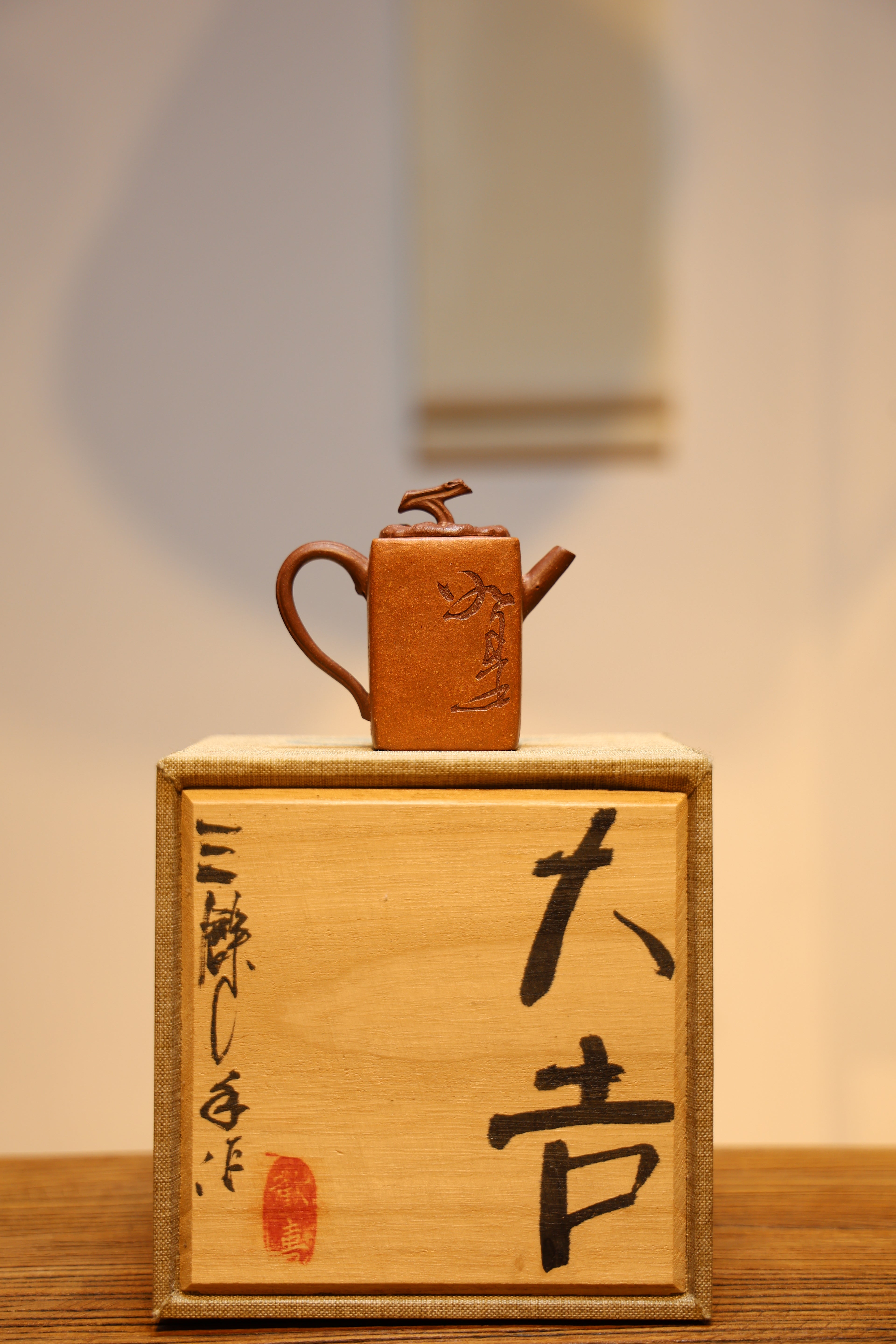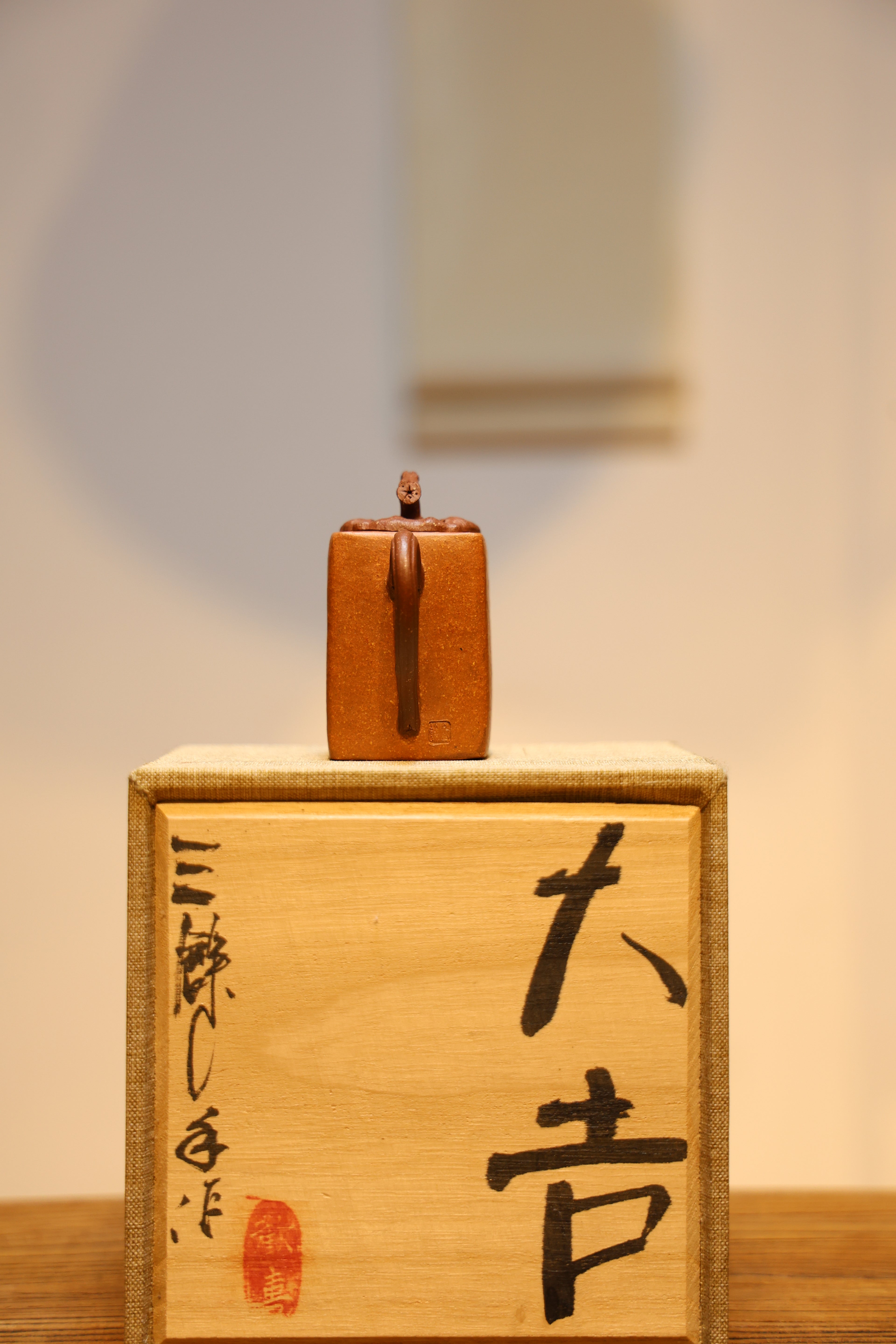
Sustained legacy shapes Yixing clay vessels through ages,
Demonstrating original attributes extracted amidst provincial amethyst elements, such flasks build up a glow along operation, boosting bouquet released from infused beverages.
Understanding Yixing Soil: In-Depth Insights into Zisha
Various followers honor the exceptional makeup of Yixing plum clay, a linchpin of enduring Chinese porcelain. Deriving from the Yixing region of Jiangsu province, this unique clay features an intricate mineral form, whereby offers remarkable qualities to the completed pieces. Classes within Zisha, including Jiang Mud, Duan Ni Mud, and Jiang Xi Mud, each features distinct pigments, surfaces, and hardening traits, affecting the openness and the definitive aroma evolution of the concoction.
Asiatic Pottery Cultures: Understanding Skill
Chinese teapots embody above mere receptacles for tea; they signify centuries of ancestral sophistication. From the distinguished Yixing clay variations, respected for their absorbent nature which gives unmatched flavors to the extract, to the subtle porcelain from Jingdezhen, each piece reveals a chronicle of dedication. The forming process is an meticulous practice, often conveyed through bloodlines of specialists. These experts use historic methods such as hand-building, sculpting on wheels, and decorating, demonstrating profound reverence for the matter and the art itself. Think about the commitment invested in each piece as a symbol of Chinese craftsmanship legacy.
- Zisha jugs: a timeless pick.
- Delicate ceramics teapots: recognized for their graceful design.
- Shaping techniques: a challenging yet beneficial procedure.
Chinese Zisha Jar Handling: Maintaining Your Beloved Piece
Proper preservation of your notable Yixing Zisha pot is fundamental to securing its value. Crafted from renowned purple sand sediment, these remarkable teapots gain a warm patina after use, substantially boosting their allure. Stay away from washers; a soft rinse with moderate temperature hydrous matter is adequate. Avoid searing water for purifying the teapot, as it may shatter its clay. Allow it to fully dry away from powerful ultraviolet exposure. Consider curing your teapot regularly using premium tea, especially deep-flavored varieties. Here is a brief manual:
- Wash out with lukewarm moisture.
- Eschew washers.
- Facilitate it to dry completely.
- Season with fine tea.
Heritage of Yixing Teapots: From Basic Inception
The chronicle of Yixing teapots initiates basically during the Yuan dynasty, circa the 16th phase. Initially, these wares were not the respected items they are understood currently. They were fabricated by domestic potters using the specific purple clay obtained solely in the Yixing vicinity. These early artworks were principally utilitarian, created for usual utilization and often unadorned in configuration. It was not until the following dynasty that they initiated to earn fame beyond mere utility wares.
Selecting the Fitting Native Kettle: A Initial Primer
Delving the realm of Yixing teapots can be intimidating, but shun worry! For first-timers, the fundamental factor is understanding the material. Genuine Yixing clay is prized for its porosity, allowing the teapot to lock in the tea's essence over time, elevating every steeping session. Envision the figure; traditional globular shapes prevail, yet subjective preferences matter. Lastly, check the coating—while some favor an unfired appearance, others appreciate a delicate gloss. Take your time in the pick process—this is an commitment in a adored piece of craft.
Yixing Teapots and Their Significance on Chinese Drink Culture
Zisha urns, derived from Yixing, China, have profoundly shaped customary Chinese drink culture. The Yixing clay teapots, prized for their singular hue, makeup, and exceptional ability to impart a subtle bouquet to the tea, function as more than mere containers; they are held dear creations and symbols of prestige. The very custom of preparing and serving tea using a Zisha teapot is steeped in importance, elevating the experience beyond simple refreshment. Families of artisans have improved their techniques, passed down through bloodlines, resulting in highly admired pieces. Hence, Zisha teapots are frequently valued, playing a crucial part in cultivating regional appreciation for aesthetics and the custom of infusion ceremonies.
- Individual Clay Composition
- Transmitting Subtle Flavor
- Ornamental Craftsmanship
Distinguishing True Unique Local Vessels
Collecting a authentic Yixing teapot can be a enjoyable experience, but the market is often plagued with knockoffs. Differentiating between a real antique and a contemporary reproduction requires scrupulous inspection. Key signals include the clay's earthy shade, often displaying streaked surfaces, and the nonexistence of modern roasting imprints. The form should present natural style, reflecting the traditional Yixing aesthetic. Finally, investigating the artist's signature is crucial to verify accuracy against endorsed sources.
- Assess the clay's structure.
- Look for errors, indicative of handcrafted quality.
- Engage an connoisseur for validation.
Investing in Eastern Earthenware: A Elaborate Guide to Purple Clay Analysis
The sector of Native Zisha pieces presents a distinct opening for educated admirers. Consistently, the value of these artisanal artifacts is driven by many aspects, such as the class of clay substance, the proficiency of the fabricator, the time-honored consequence, and, naturally, the recent attention. Rookies Yixing Zisha Teapot should concentrate on understanding the different types of Zisha clay—such as 冰河, Tranquil Vessel, and Scarlet Earth—and researching the traits linked to each. Thorough assessment of the pot's form, hue, and seal is also mandatory to make competent evaluations when investing.