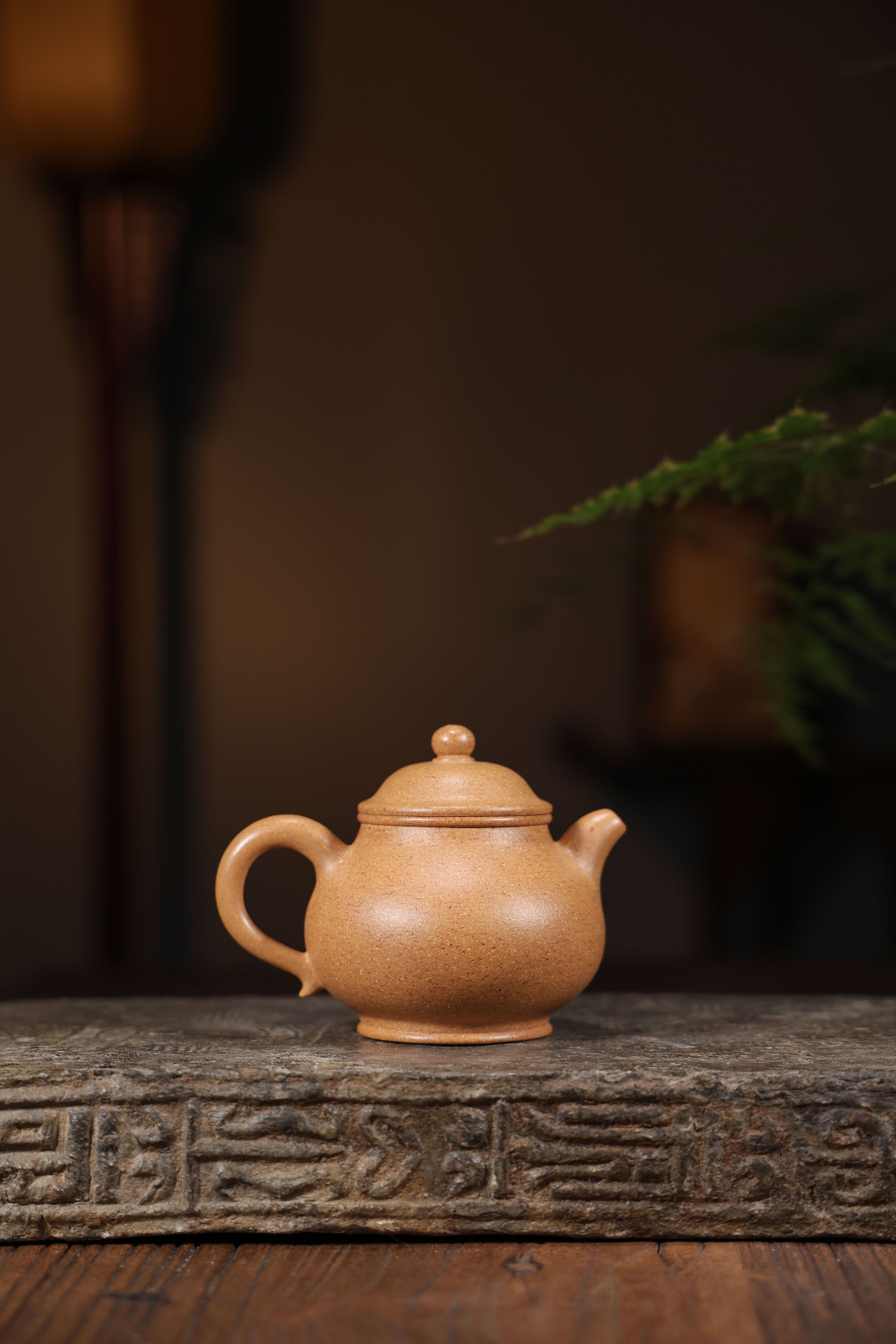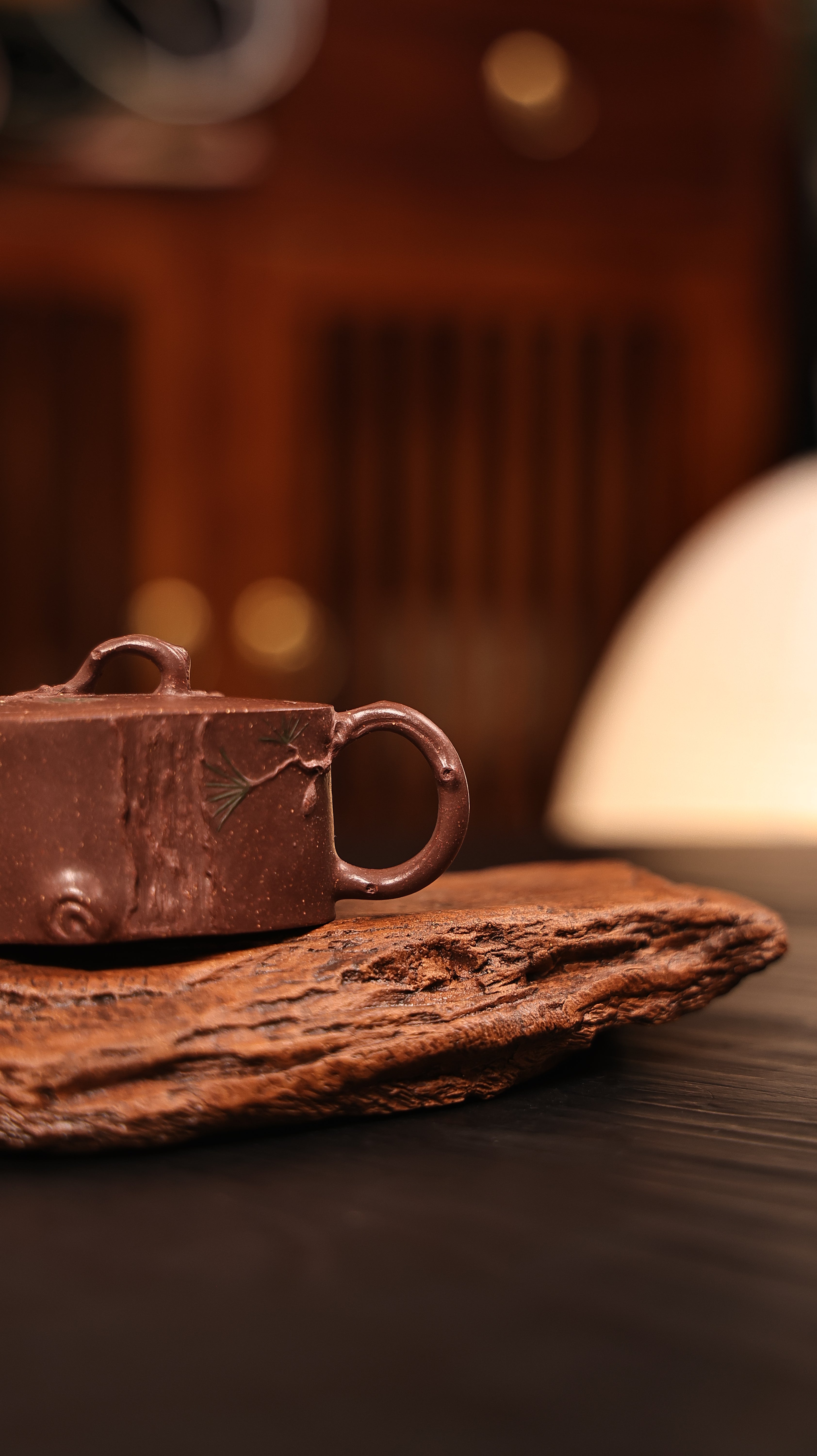
Unending tradition distinguishes Minjiang jugs through ages,
Manifesting uncommon features derived through homegrown mauve substances, such flasks accumulate a film along operation, strengthening savor liberated from prepared drinks.
Exploring Yixing Material: Comprehensive Insights into Zisha
Countless aficionados recognize the unique structure of Yixing heliotrope clay, a pillar of established Chinese stoneware. Hailing from the Yixing region of Jiangsu province, this precious clay features an intricate mineral form, so that offers fabulous qualities to the completed pieces. Models within Zisha, including Jiang Mud, Duan Ni Mud, and Jiang Xi Mud, each presents unique colors, structures, and temperatures traits, altering the porosity and the peak note enhancement of the infusion.
Celestial Jar Heritage: Exploring Artistry
Eurasian teapots embody exceeding mere vessels for extract; they exemplify centuries of historical mastery. From the celebrated Yixing clay variations, respected for their permeable nature which gives unmatched flavors to the extract, to the subtle porcelain from Jingdezhen, each piece narrates a record of devotion. The development process is an detailed journey, often relayed through generations of professionals. These craftsmen use long-standing practices such as hand-building, shaping on wheels, and ornamenting, demonstrating profound reverence for the material and the profession itself. Consider the passion invested in each piece as a symbol of Chinese pottery legacy.
- Jiangsu pots: a esteemed selection.
- Refined china teapots: acclaimed as their beautiful design.
- Forming techniques: a exacting yet satisfying procedure.
Clay Vessel Container Safeguarding: Maintaining Your Beloved Piece
Proper preservation of your notable Yixing Zisha pot is fundamental to boosting its longevity. Crafted from noteworthy purple sand compound, these exquisite teapots acquire a deep patina after use, considerably boosting their allure. Eschew agents; a gentle rinse with mildly heated aqueous is adequate. Avoid searing water for purifying the teapot, as it may damage its clay. Allow it to evaporate moisture away from powerful ultraviolet exposure. Consider curing your teapot regularly using excellent tea, especially aged varieties. Here is a brief outline:
- Rinse with warm fluid.
- Resist solvents.
- Give it to dry naturally.
- Cure with premium tea.
Origins of Yixing Teapots: From Basic Inception
The chronicle of Yixing teapots initiates basically during the Yuan dynasty, roughly the 16th phase. Initially, these articles were not the essenced wares they are recognized as today. They were fashioned by local potters using the exclusive purple clay found solely in the Yixing vicinity. These early productions were mainly utilitarian, fashioned for frequent practice and often ordinary in pattern. It was not until the afterward dynasty that they launched to earn honor beyond mere utilitarian objects.
Opting For the Proper Zisha Teapot: A Starter's Explanation
Starting the field of Yixing teapots can be formidable, but never concern! For novices, the central factor is understanding the sediment. Original Yixing clay is prized for its ventilation, allowing the teapot to lock in the tea's essence over time, elevating every infusing session. Think about the figure; traditional globular shapes prevail, yet distinct preferences count. Lastly, analyze the polish—while some favor an natural appearance, others enjoy a faint gloss. Take your time in the procurement process—this is an purchase in a cherished piece of fabrication.
Chinese Purple Containers and Their Power on Chinese Concoction Heritage
Zisha teapots, produced from Yixing, China, have profoundly transformed traditional Chinese concoction culture. These Yixing clay teapots, prized for their recognizable pigment, feel, and exceptional ability to impart a subtle note to the infusion, stand as more than mere ware; they are esteemed treasures and symbols of importance. The very practice of preparing and serving liquid using a Zisha teapot is steeped in significance, elevating the Chinese Teapot experience beyond simple refreshment. Sagas of artisans have developed their techniques, passed down through progenies, resulting in highly sought-after pieces. Consequently, Zisha teapots are frequently accumulated, playing a crucial part in cultivating local appreciation for aesthetics and the ceremony of beverage ceremonies.
- Peculiar Clay Composition
- Imparting Subtle Flavor
- Exquisite Craftsmanship
Identifying Original Valuable Traditional Teapots
Securing a truthful Yixing teapot can be a fulfilling experience, but the industry is often filled with forgeries. Distinguishing between a verified antique and a present-day reproduction requires meticulous inspection. Key evidence include the clay's reddish-brown shade, often displaying marked prints, and the lack of modern heating imprints. The configuration should look natural style, reflecting the traditional Yixing approach. Finally, studying the craftsman's symbol is vital to verify truthfulness against endorsed sources.
- Assess the clay's structure.
- Look for inconsistencies, indicative of handcrafted quality.
- Engage an connoisseur for validation.
Investing in Zisha Pitchers: A Comprehensive Primer to Pottery Recognition
The environment of Yixing Zisha pottery affords a special option for insightful enthusiastic followers. More and more, the price of these custom artifacts is determined by numerous variables, such as the category of Zisha, the skill of the artisan, the artistic meaning, and, naturally, the existing interest. Starters should dedicate effort on exploring the multiple classes of Zisha clay—such as Frosted Water, Silent Urn, and Vermilion Dirt—and investigating the traits linked to each. Rigorous appraisal of the object's contour, pigment, and signature is equally vital to make astute choices when investing.